HISTORY OF DIFFERENT ATOMIC STRUCTURE AND ATOMIC THEORY
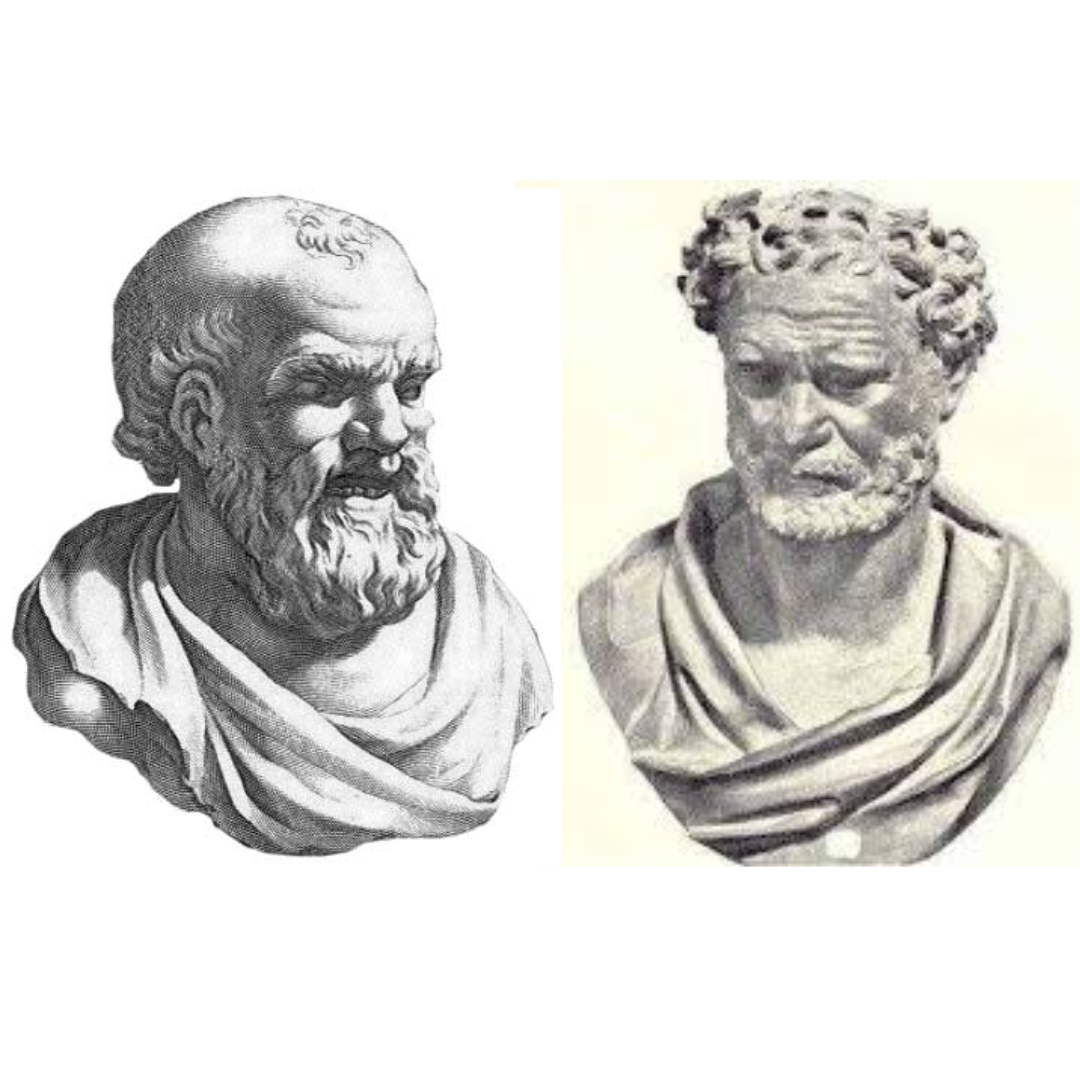
ATOMISM
Democritus and Leucippus (5th Centuries BC)
Proposed the idea that all matter is made up of small, indivisible particles called
"atomos," meaning "uncuttable." Suggested that atoms are in constant motion, differ in
shape
and size, and combine in various ways to form different substances.
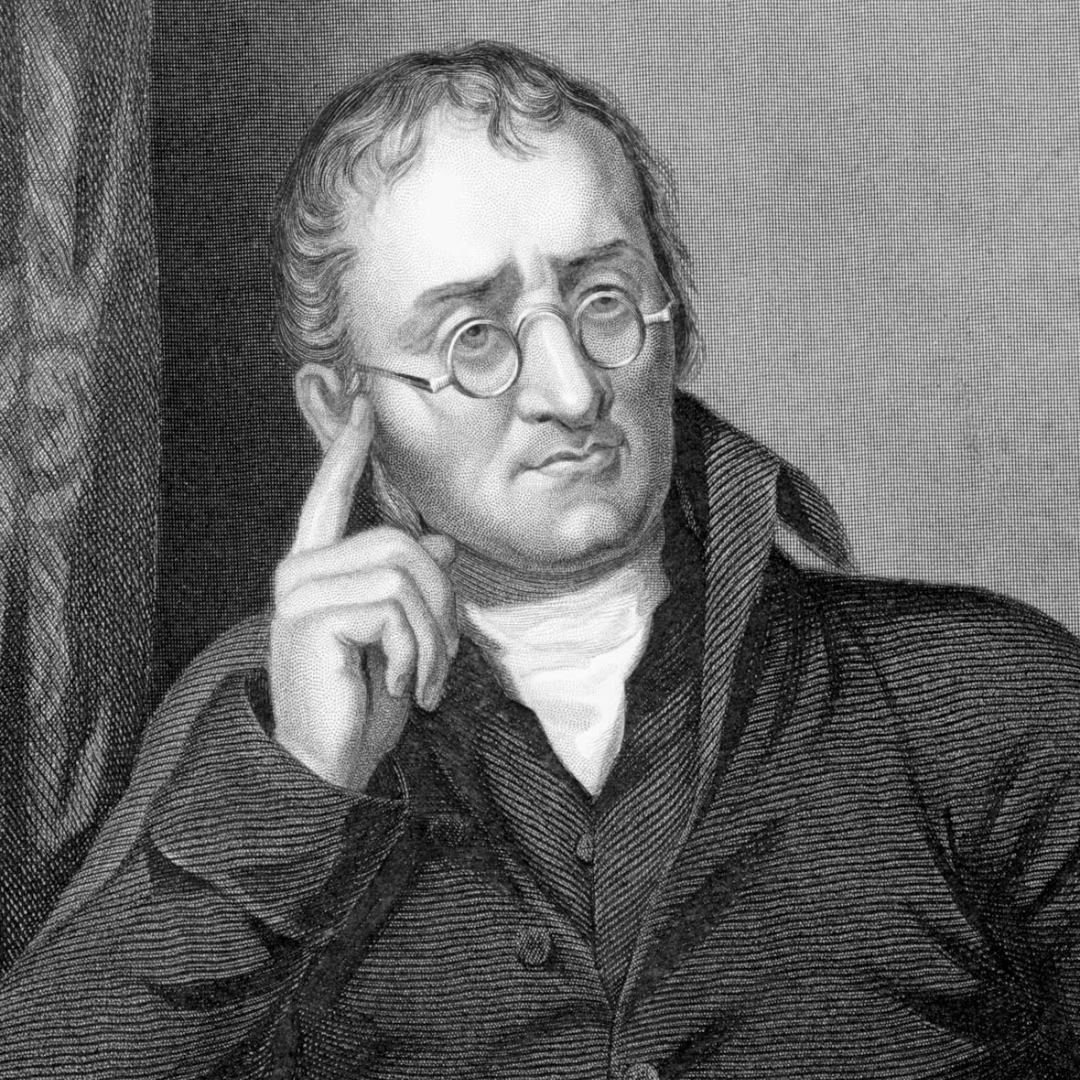
SOLID SPHERE MODEL
JOHN DALTON
(1766-1844)
Introduced the first modern atomic theory.
Proposed that atoms are indivisible and indestructible particles. Each element is
composed of atoms of a single, unique type. Atoms of different elements combine in fixed
ratios to form compounds.
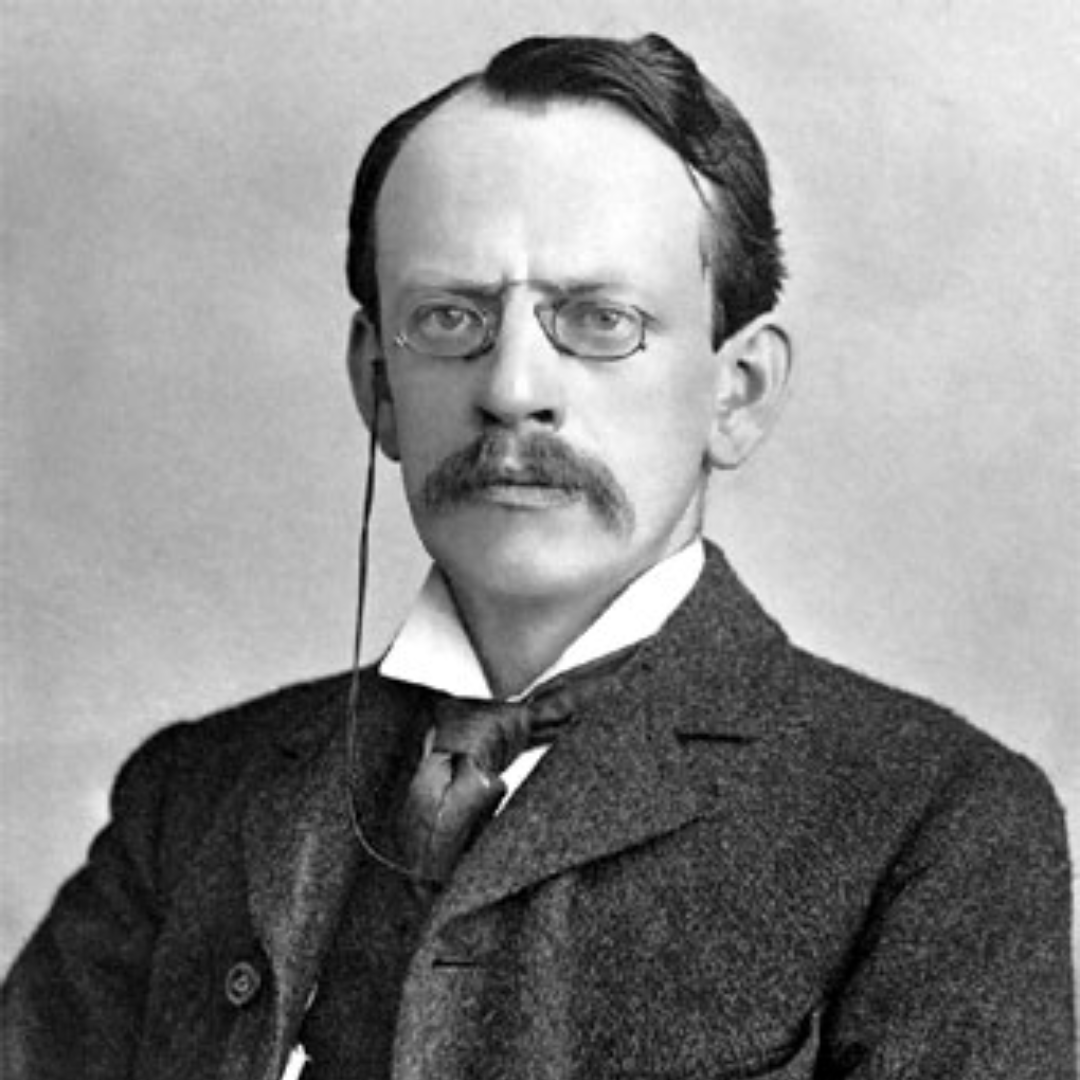
PLUM PUDDING MODEL
JJ. THOMSON
(1856 - 1940)
Discovered the electron using a cathode ray tube. Proposed that atoms are made up of
negatively charged electrons embedded within a positively charged "soup," like plums in
a pudding. Suggested that the atom is divisible and has internal structure.
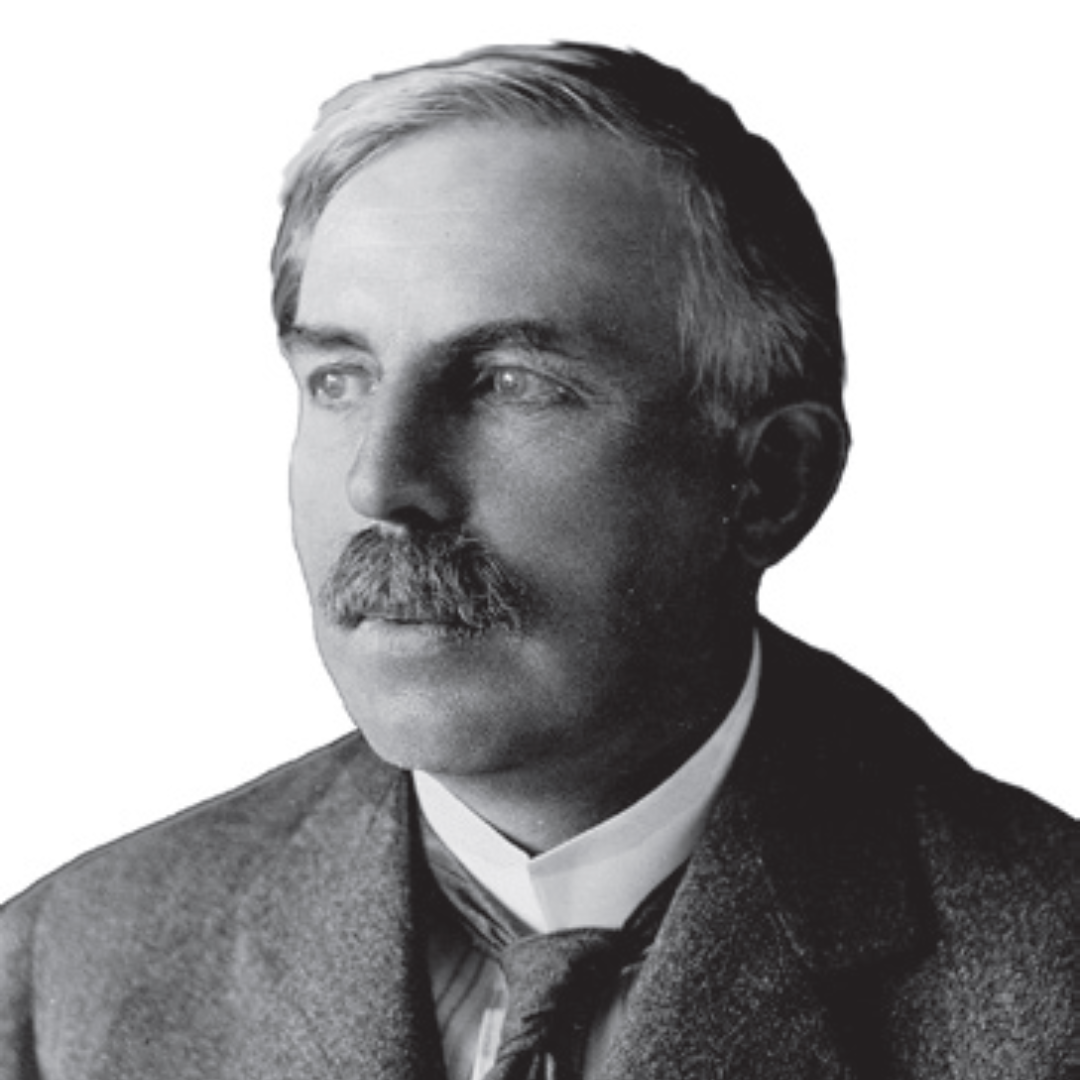
NUCLEAR MODEL
ERNEST RUTHERFORD
(1871- 1937)
Conducted the gold foil experiment and discovered the nucleus. Proposed that atoms
have a small, dense, positively charged nucleus at the center, with electrons orbiting
around it. Most of the atom’s volume is empty space..
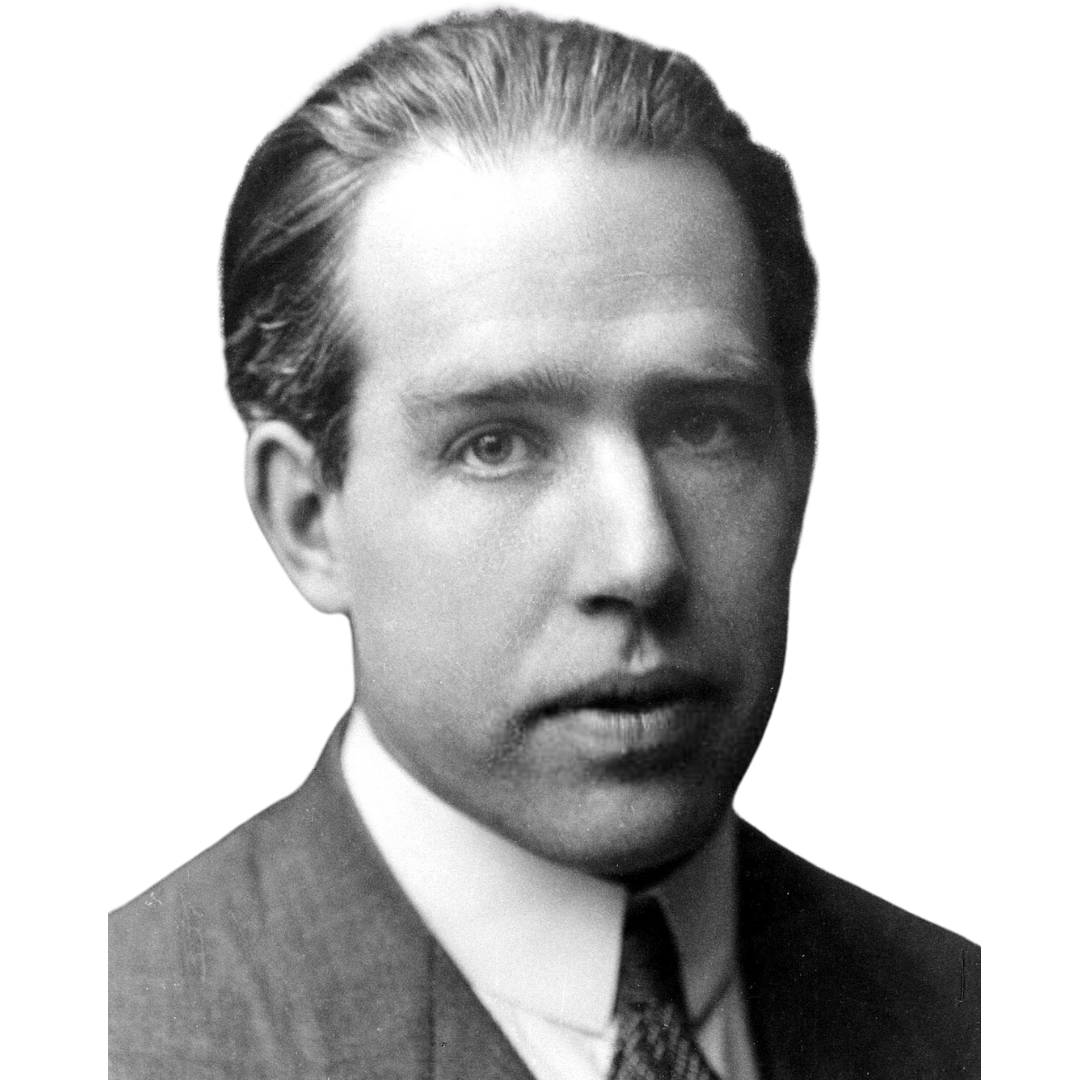
PLANETARY MODEL
NEILS BOHR
(1885 - 1962)
Built upon Rutherford's model by introducing quantized electron orbits. Suggested
that electrons orbit the nucleus in fixed energy levels or shells. Electrons can jump
between energy levels by absorbing or emitting energy, explaining atomic spectra.
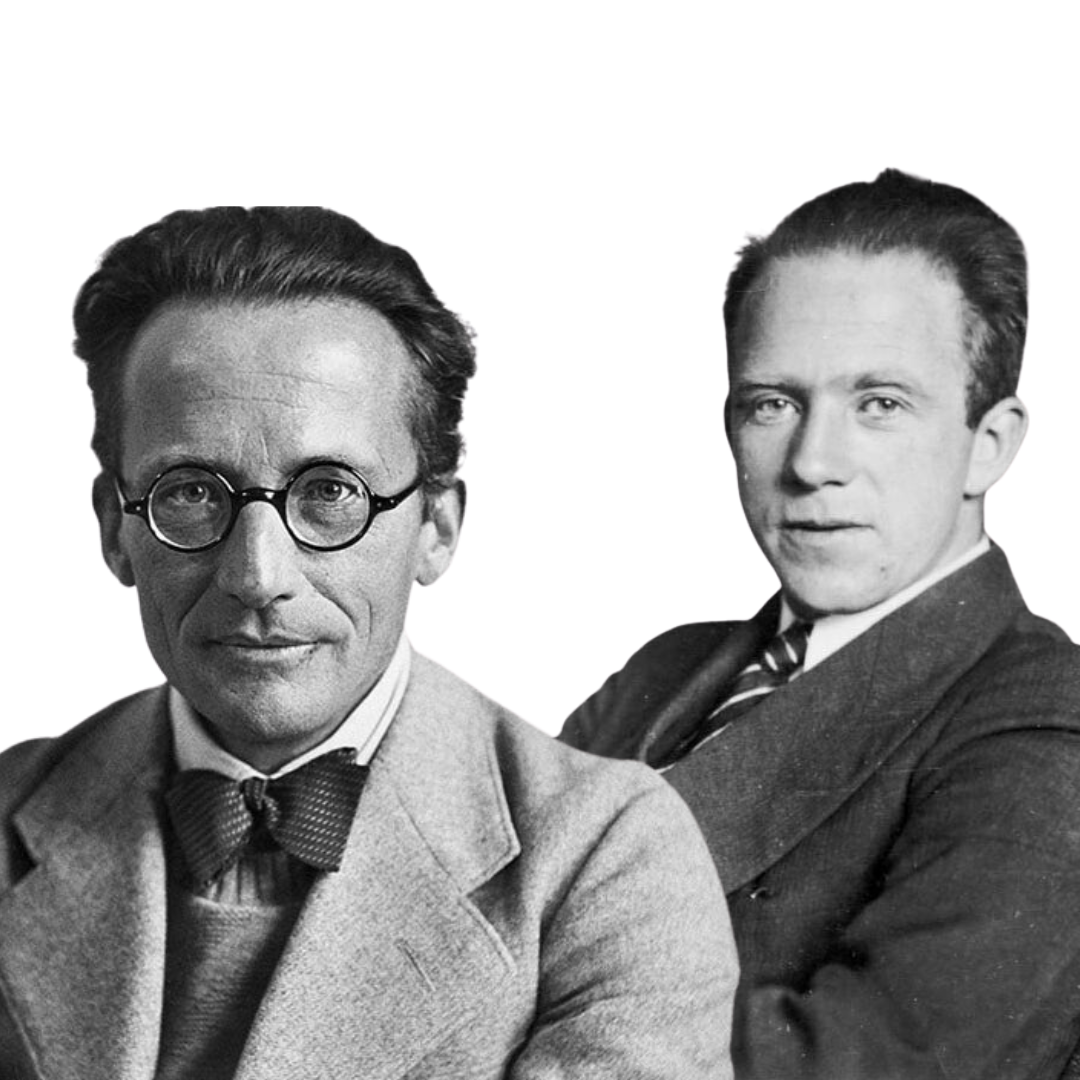
QUANTUM MODEL
ERWIN SCHRÖDINGER (1887 - 1961)
WERNER HEISENBERG
(1901 -
1976)
Developed the quantum mechanical model of the atom. Replaced the idea of defined
orbits with probability clouds (orbitals) where electrons are likely to be found.
Introduced the concept of wave-particle duality and the uncertainty principle.
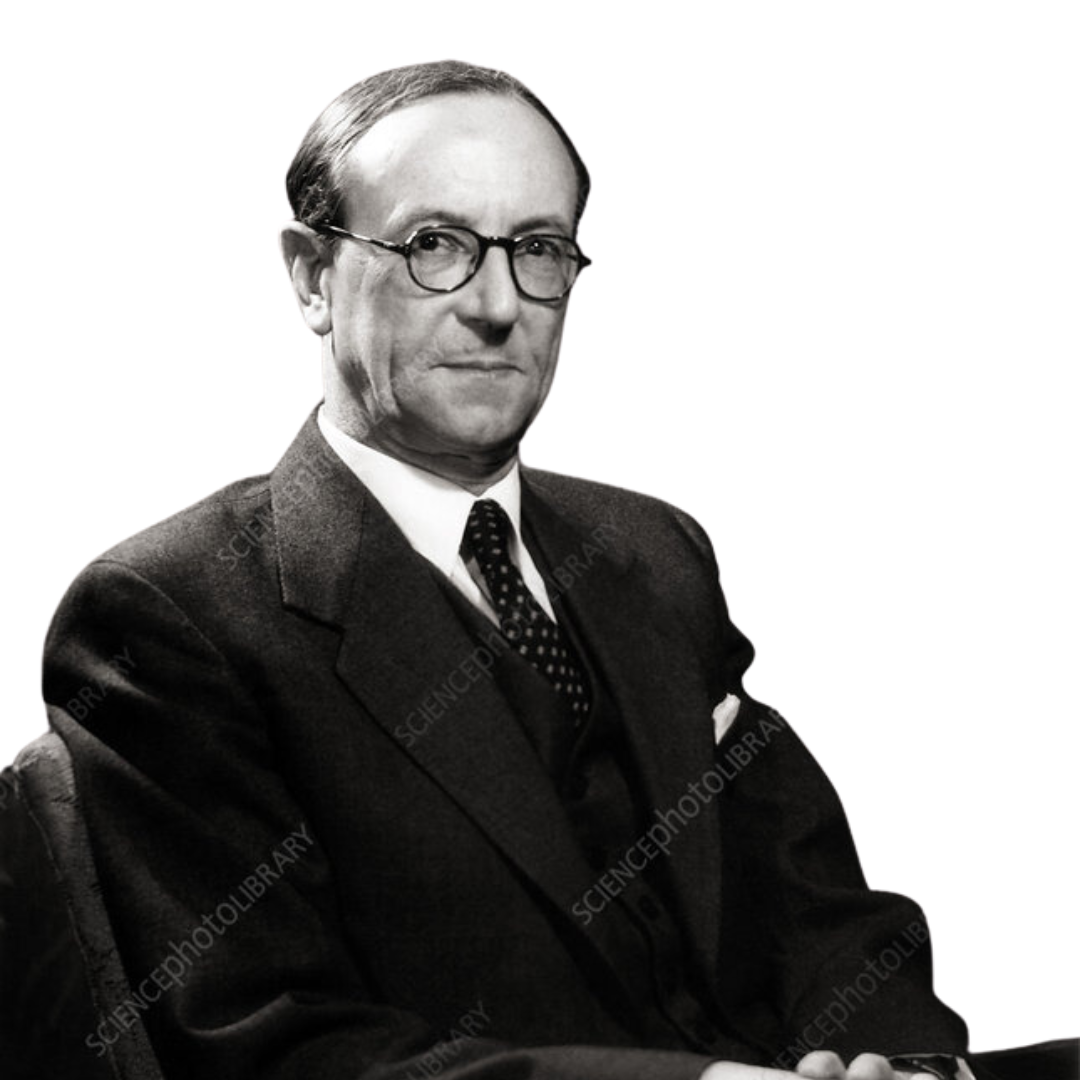
DISCOVERY OF THE NEUTRON
JAMES CHADWICK
(1891- 1974)
Discovered the neutron, a neutrally charged particle within the nucleus. Explained
the existence of isotopes and the mass of the nucleus without increasing the positive
charge.